Is your newly plastered wall already showing signs of cracking? Don't worry, you're not alone.
We discuss the common reasons why plaster cracks, the different types of plaster, how to identify cracked plaster, and the best ways to prevent and fix it.
Whether you're a DIY enthusiast or looking to hire a professional, we've got you covered with expert tips and advice.
Keep reading to learn more about maintaining your plaster walls in top condition.
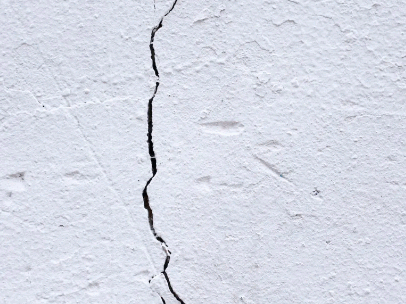
Understanding the reasons behind why plaster cracks is essential for maintaining the structural integrity and aesthetics of walls in various construction projects. Cracking in plaster can occur due to various factors such as shrinkage, moisture movement, or inadequate support materials, leading to unsightly flaws that need addressing.
Shrinkage happens when the plaster dries and shrinks, causing stress on the surface and leading to cracks. Moisture, on the other hand, can penetrate the plaster, creating a weakening effect that contributes to cracking over time.
Choosing the right materials for plastering also plays a significant role; using low-quality materials can result in a weaker structure prone to cracking.
Proper construction techniques, like applying plaster in thin coats, using fibreglass mesh for reinforcement and ensuring adequate curing time, help in minimising the risk of cracks.

The causes of plaster cracking can be attributed to factors such as shrinkage in the materials, moisture ingress, or inadequate support during construction. The choice of materials used for rendering or plastering plays a crucial role in determining the susceptibility of the surface to cracks.
Shrinkage occurs as the plaster dries and cures, leading to the formation of cracks due to the volume changes within the material. Moisture ingress, whether from leaks or high humidity, can weaken the bond between the plaster and the substrate, causing it to crack.
Improper support during construction can create stress points that manifest as cracks in the plaster finish. Selecting high-quality materials that are compatible with each other and the underlying structure is essential in preventing future cracking issues.
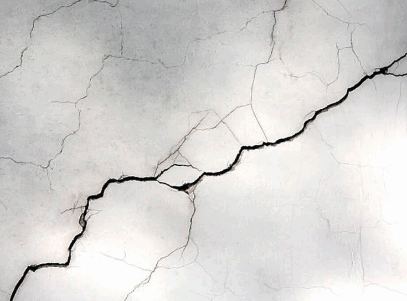
There are various types of plaster available for different construction applications, including traditional plaster, lime-based plasters, and render flecked with fibers designed to reduce cracking. Modern additives like PVA glue can enhance the performance and durability of plaster finishes.
Traditional plaster, known for its versatility, is commonly composed of lime, sand, and water, offering a breathable and durable finish. Lime-based plasters, on the other hand, are ideal for historical restoration projects due to their compatibility with older structures. Render flecked with fibers not only helps prevent cracks but also provides added strength, making it suitable for external applications. Incorporating additives such as PVA glue can improve the adhesion and workability of plaster mixtures, resulting in smoother finishes and increased resistance to moisture.
Identifying the signs of cracked plaster is crucial to address potential structural issues and aesthetic concerns in walls. Common indications include visible cracks, paint deterioration, or signs of moisture movement, all of which may signify underlying problems that need attention.
Visual cues such as hairline cracks spreading across the surface, particularly in a zigzag pattern, can indicate plaster stress. In addition, if the paint is flaking or bubbling near the cracks, it suggests that the plaster damage might be extensive. Examining moisture patterns, like water stains or mould growth near the cracks, can reveal ongoing water infiltration issues that exacerbate the plaster deterioration.
Determining whether your plaster is cracked involves a visual inspection of the walls for visible cracks, checking for symptoms of degradation, and assessing the condition of supporting materials. Factors like weather erosion can also contribute to the formation of cracks in plaster surfaces.
During the inspection process, pay close attention to the pattern of cracks on the surface. Horizontal cracks may indicate structural issues, while vertical cracks could be a result of normal settling. Diagonal cracks typically signal a more serious problem that requires immediate attention. Be on the lookout for discoloured patches, bulging, or flaking plaster, as these are signs of underlying issues.
Weather erosion can accelerate plaster deterioration, especially in areas prone to frequent exposure to harsh elements. If your property is located in a region with extreme weather conditions, the chances of plaster cracks due to weathering are higher. It's essential to regularly inspect and maintain your plaster to prevent further damage.
Preventing plaster from cracking involves using suitable materials and techniques during the application process. Incorporating fibres in the mix, applying a quality base coat, and using finishes like polypropylene monofilament plaster can help reinforce the structure and minimise the risk of cracks.
Choosing the right type of plaster mix is crucial, as using a mix with the appropriate ratio of sand, cement, and lime ensures better adhesive properties and reduces the likelihood of cracking. Adding fibres to the mix can provide increased tensile strength, making the plaster more resistant to stress and movement. Properly applying a base coat before the finishing plaster not only creates a smooth surface but also helps in distributing any internal stresses more evenly across the wall, reducing the chances of cracks forming. It's essential to follow manufacturer guidelines and ensure thorough mixing and application to achieve a durable and crack-resistant plaster finish.
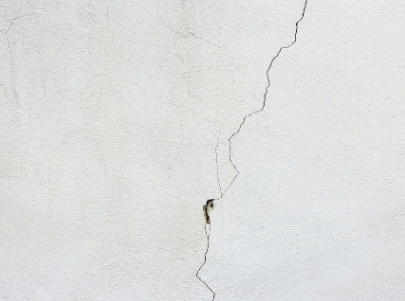
Implementing best practices in plastering is essential to ensure a durable and crack-resistant finish. Properly designed mixes, suitable materials, and techniques that minimise shrinkage and tension during application can significantly reduce the likelihood of cracks forming.
When selecting materials for plastering, it's crucial to opt for high-quality ingredients to enhance the strength and durability of the mix. The right proportion of sand, cement, and additives plays a pivotal role in achieving a smooth and long-lasting finish. Follow recommended mix design guidelines to ensure the plaster's cohesion and adhesion properties are optimised.
Application methods are equally important in preventing cracks. Applying plaster in thin layers and allowing each coat to dry thoroughly before adding the next helps minimise tension buildup and reduces the risk of cracking. Proper curing techniques post-application also contribute to the overall integrity of the plaster surface.
Take a look: How To Plaster A Wall Step By Step
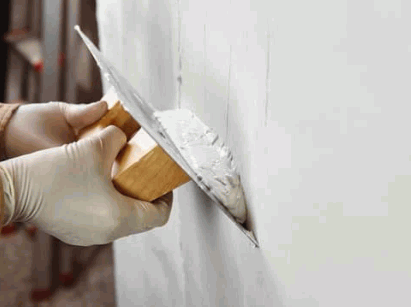
Selecting the right materials for plastering is crucial in preventing cracks and ensuring the longevity of the finish. Materials like PVA glue for adhesion, sand for texture, and additives that resist weather erosion and thermal expansion can enhance the durability of plaster surfaces.
Adding proper additives such as PVA glue can significantly improve the adhesion of plaster to various surfaces, ensuring a strong bond that lasts over time. Incorporating sand into the mix not only helps in achieving the desired texture but also strengthens the overall structure, making it more resistant to impact and wear.
Utilising materials that can withstand weather erosion and thermal expansion plays a vital role in minimising the risk of cracks forming in the plaster. By choosing quality materials that are resilient to these external factors, builders can ensure that the finished surface remains intact and visually appealing for an extended period.
Repairing cracked plaster requires a systematic approach involving specific steps, tools, and materials to restore the surface to its original condition. Understanding the repair process and having the necessary tools at hand is essential for successful plaster restoration.
Before initiating any repairs, it is crucial to assess the extent of the damage to determine the appropriate course of action.
Next, gather the essential tools such as a putty knife, sandpaper, joint compound, paintbrush, and a paint roller to aid in the restoration process.
Once the tools are ready, carefully remove any loose debris or old plaster from the cracked area. Ensure the surface is clean and free of dust before proceeding to the next step, which involves applying a primer to promote adhesion.
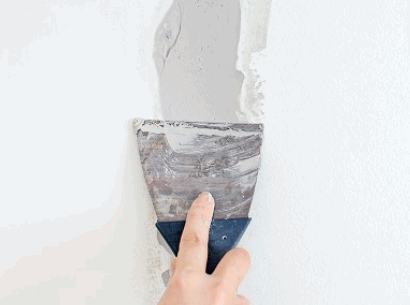
Repairing cracked plaster involves a series of sequential steps, beginning with assessing the damage, preparing the surface, and applying the appropriate repair materials. Using specialised tools and techniques can ensure that the repaired plaster blends seamlessly with the existing finish.
These compounds come in various forms, including patching compounds, joint compounds, and setting-type compounds, each serving specific purposes in the repair process. Using the correct tools such as trowels, sandpaper, and brushes can make a significant difference in the final outcome.
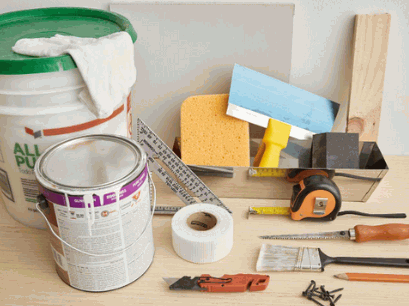
Effective plaster repair requires the use of specialised tools such as trowels, joint knives, and sanding blocks, along with suitable repair materials like plaster mix, PVA glue, and primers. Having the right tools and materials can streamline the repair process and ensure a quality finish.
A hawk is essential for holding the plaster mix for easy accessibility during application, while a mixing paddle ensures thorough blending of the plaster mix. Dust masks and safety goggles are crucial for protection against dust and debris. It is also advisable to have a plasterboard saw for precise cutting and shaping of plasterboard pieces.
For DIY enthusiasts, investing in a good-quality plastering float can help achieve a smooth finish, while a scraper is useful for removing loose plaster. Plastic sheeting can protect surrounding areas from splatter and dust.
For complex repairs, it is highly recommended to enlist the help of a professional team equipped with a range of tools to handle any unforeseen challenges that may arise in the repair process.
Knowing when to seek professional help for plaster repair is crucial to address complex issues and ensure the structural integrity of the surface.
Signs of extensive cracking or other indications of structural insecurity are strong cues that immediate professional intervention is necessary in the realm of plaster repair. Overlooking these telltale signs could lead to escalating problems and potential risks to the overall stability of the structure.
Timely action in such scenarios is paramount to the longevity and safety of the surface. Consulting experienced professionals can help in identifying underlying issues and implementing appropriate solutions before they manifest as significant structural deterioration.
Signs that your plaster repair requires professional attention may include persistent cracking, visible structural insecurity, or challenges related to integrating new finishes with existing plaster. If issues like cracking around the electric meter or extensive damage emerge, consulting a reputable company for assistance is advisable.
Situations where you notice widespread water damage, bulging or sagging plaster, or mould growth can signal the need for expert intervention. These issues often indicate underlying structural problems that may require specialised knowledge and equipment for effective resolution. For instance, attempting to repair severely damaged plaster without the proper skills could lead to further deterioration and costly repairs in the long run.