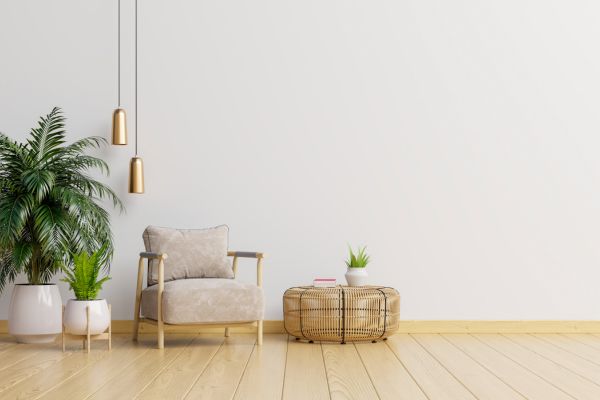
Designing your home interior can be an exciting and creative endeavor. It's a chance to transform your living space into a place that reflects your personality and meets your functional needs. In this comprehensive guide, we will walk you through the process of designing your home interior, offering valuable tips and insights along the way. Whether you're starting from scratch or looking to refresh your current decor, this guide will help you create a space you'll love.
Before diving into the design process, it's essential to assess your needs and define your style. Here's how:
Start by identifying the purpose of each room. Is it a place for relaxation, work, entertainment, or all of the above? Knowing how you intend to use the space will guide your design choices.
Determine your budget for the project. Having a clear financial plan will help you make informed decisions and prioritize where to invest your money.
Consider your personal style and preferences. Do you lean towards minimalist, traditional, modern, or eclectic designs? Creating a mood board with images and colors that inspire you can be a helpful visual reference.
Effective space planning is essential to maximize both aesthetics and functionality.
Accurate measurements are crucial. Measure the dimensions of each room, including doors and windows, to ensure furniture and decor fit comfortably.
Sketch a floor plan or use digital design tools to create a layout that optimizes traffic flow and functional zones within each room.
Choose furniture pieces that not only match your style but also suit the room's dimensions. Consider the scale, proportion, and arrangement of furniture to maintain balance.
Colors and materials play a significant role in setting the tone of your home interior.
Choose a color palette that resonates with your style and complements the room's purpose. Test paint samples or use online color visualizers to see how they look in your space.
Select materials for flooring, countertops, and furniture that align with your design vision. Balance aesthetics with practicality and durability.
Lighting can transform the ambiance of a room.
Incorporate various lighting types, such as ambient, task, and accent lighting, to create a layered and versatile lighting scheme.
Maximize natural light by choosing window treatments that allow light in while maintaining privacy.
Decor elements add personality and character to your space.
Decorate your home with personal items, artwork, and accessories that reflect your interests and experiences.
Choose textiles like curtains, rugs, and throw pillows that enhance comfort and style. Mixing textures and patterns can add depth to your interior.
As you near the end of your design journey, don't forget these important steps:
Place furniture in its designated spots and make sure it flows well within the room's layout.
Take a step back and review your design. Make any necessary adjustments to achieve the desired look and feel.
Develop a maintenance plan to keep your interior looking fresh and organized. Regular cleaning and occasional updates can help maintain the beauty of your space.
Choosing a design style depends on your personal preferences. Start by exploring different styles like modern, traditional, minimalist, or eclectic through magazines, online resources, and Pinterest boards. Create a mood board to help you visualize your preferred style and color palette.
Answer: A budget is crucial because it helps you set financial boundaries and make informed decisions. It ensures you allocate your resources wisely, preventing overspending on certain aspects while neglecting others. A well-planned budget ensures your interior design project stays on track.
Answer: To make a small space appear larger, use light colors on walls and furniture, incorporate mirrors to reflect light and create an illusion of space, choose furniture with legs to allow visibility of more floor area, and declutter to create a sense of openness.
Answer: You can make environmentally conscious choices by opting for sustainable materials like bamboo or reclaimed wood, using low-VOC paints, choosing energy-efficient lighting, and investing in furniture made from recycled or eco-friendly materials.
Answer: Mixing patterns and textures can add depth and interest to your space. Start by selecting a dominant pattern, then complement it with smaller-scale patterns and textures. Stick to a cohesive color palette to maintain balance, and don't be afraid to experiment with combinations until you find what works for you.
Answer: Personal touches can be added through family photos, artwork, heirlooms, and unique decor items. Display these items strategically to tell a story and make your space feel more personalized and inviting.
Answer: To improve lighting in a dark room, consider adding additional light sources such as floor lamps, table lamps, or wall sconces. Use light-colored furnishings and decor to reflect light, and consider using light-filtering window treatments to maximize natural light.
Answer: Whether to hire an interior designer depends on your budget, the complexity of your project, and your design expertise. If you're comfortable with design concepts and have the time to manage the project, DIY may be an option. However, an interior designer can bring expertise, creative ideas, and industry connections to ensure a professional result.
Answer: For child-friendly interior design, prioritize safety by securing heavy furniture and using non-toxic materials. Choose durable and washable fabrics for furniture and consider multifunctional furniture pieces. Create designated play areas and incorporate storage solutions to keep toys organized.
Answer: The frequency of updates depends on personal preference and budget. Some people like to refresh their interior every few years, while others may go longer between updates. Regular maintenance and occasional updates can help keep your interior looking fresh and up-to-date.
Designing your home interior is a rewarding process that allows you to express your personality and create a comfortable, functional environment. By following the steps outlined in this guide, you'll be well-equipped to embark on your interior design journey. Remember that your home should reflect your unique style and needs, so let your creativity shine as you transform your living spaces.